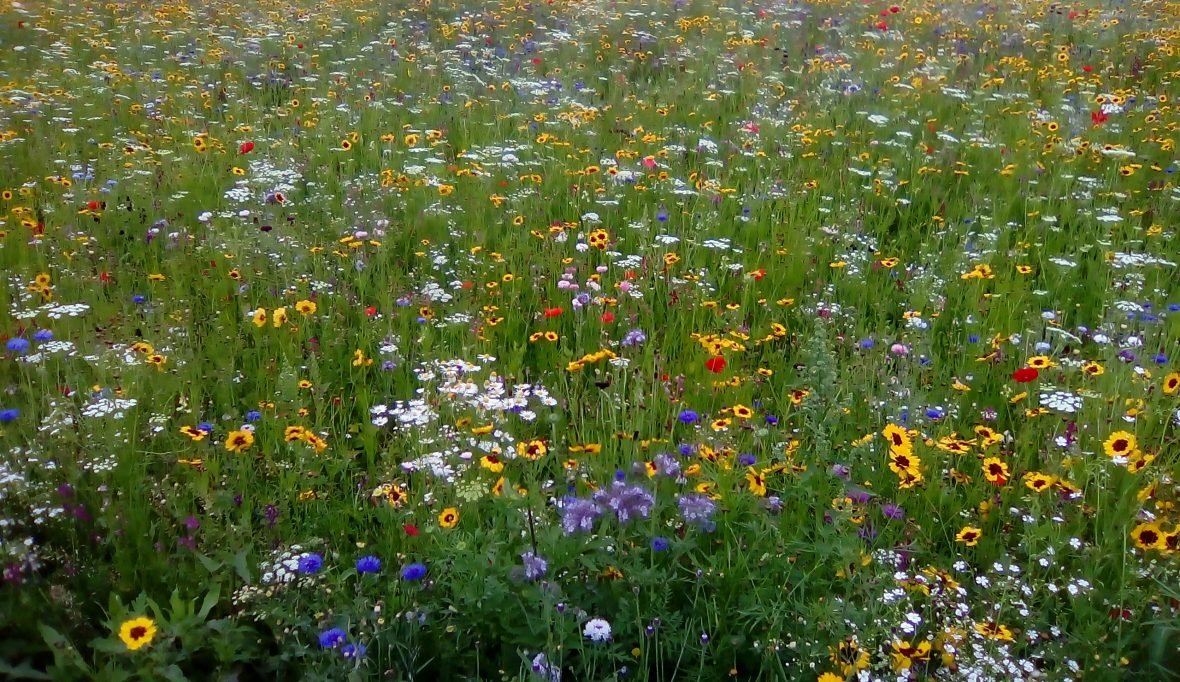
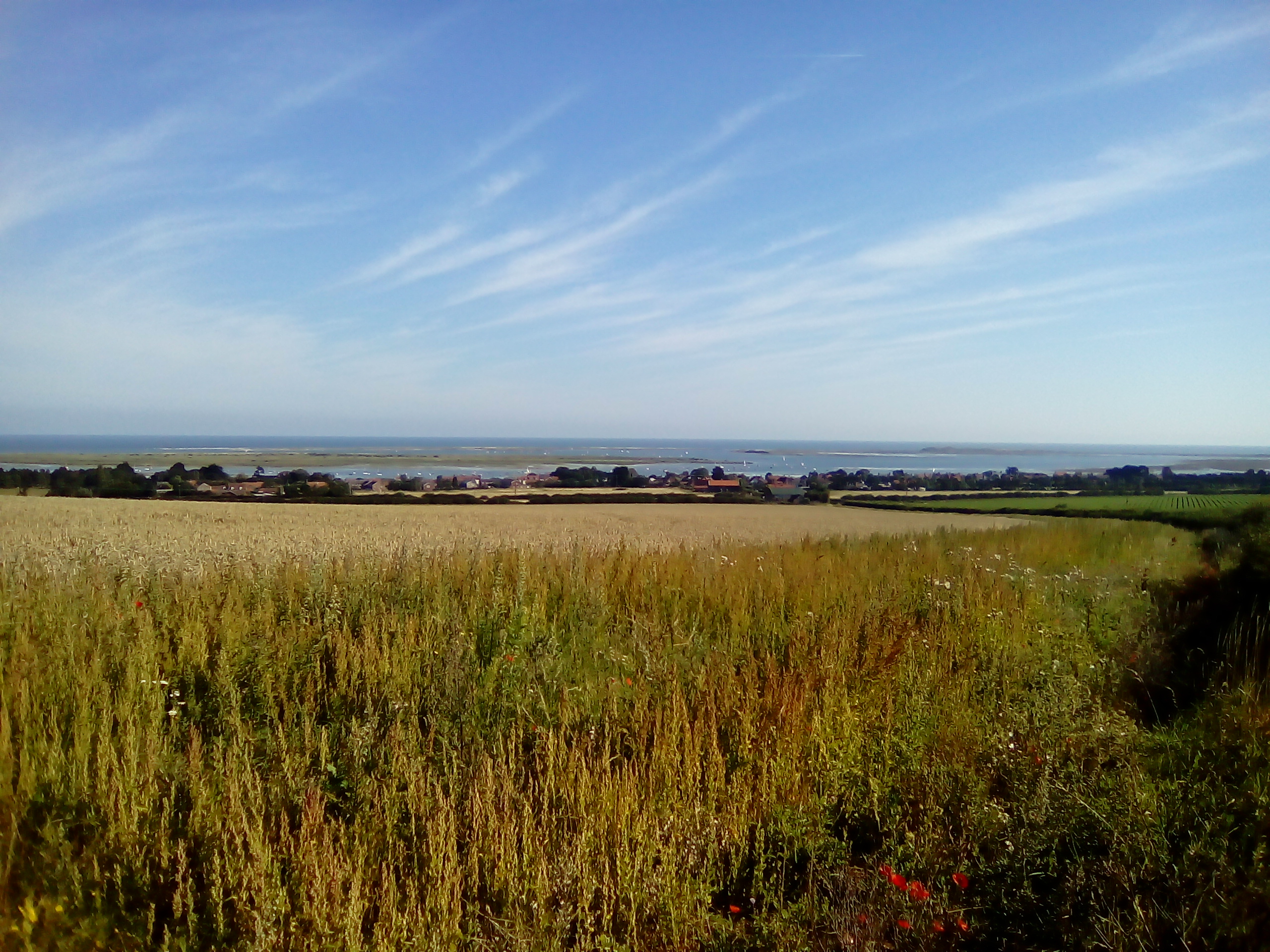

So I’ve been on my walk through Suffolk- a distance of about 50 miles from Felixstowe to Homersfield on the Norfolk border. The weather was kind( well mostly!), there were a lot of flowers to see in the hedgerows and waysides and I didn’t need to see a chiropodist at the end of it!
I began by taking the train to Harwich (and then the yellow tourist ferry) to Felixstowe after exploring the Shotley peninusula. There were a huge number of birds including oystercatchers,terns and what looked like cormorants set against the stark background of Felixstowe docks. In terms of flora there were many cowslips, primroses and violets( some of the more unusual white ones too) which had colonized the banks along the sea wall. It was also the height of the daffodil season so there was no shortage of yellow in the hedgerows.
After an unfortunate incident where I tried to walk up the A12 and a crazy, chainsmoking Dutchman kindly gave me a lift to Woodbridge. I marvelled at Sutton Hoo’s ancient burial mounds of the Wuffinga kings of East Anglia in the freezing mist.
Then onto Orford and its Ness (via a rather delicious lunch at The Froize restaurant’s buffet in Chillesford).Sadly the Ness lacked much of the wild-life we were promised such as boxing hares and the unusual sea-pea growing in the shingle but its military history was fascinating.
After that it was onto Iken’s lovely church and then Snape against the backdrop of more stunning marshland. A brief foray into Aldeburgh for fish and chips and Benjamin Britten memorabilia was fruitful followed by the sighing pines of Dunwich heath and rustling grasses of Walberswick marshes.
Southwold was a joy. Good food such as beef and canellini bean stew and a room at the top of an old victorian house that whistled in the wind at night. Finally I took in the churches of South Elmham known as ‘The Saints’ which are in a remote and beautiful part of Suffolk close to the Norfolk border. The houses were painted that distinctive Suffolk pink colour with thatch,woodbeams and sometimes a wild-life filled moat . It also made me wonder if the moat was a defensive feature when this was the badlands of the Norfolk/ Suffolk border. Anyway, these moats were fed by many little streams which contained water-mint, yellow flag, Meadowsweet and marsh marigolds( which were all just starting to emerge).
It was with great pleasure that at Homersfield I crossed the river Waveney to arrive in the foreign land that is Norfolk! It was a pilgrimage of sorts in order to see the great medieval churches of Suffolk as well as its flora and fauna. But it was also a chance to see the pleasurable minutae that you miss when travelling by car or train such as a caterpillar crossing the footpath,a barn owl swooping over a common or a red admiral landing on some heather.
As a holiday it was deeply satisfying but it also taught me, as a gardener, a lot about what habitats our native plants enjoy in the wild which is a really important skill to any naturalistic gardener.
I hope you are enjoying the joys of Spring too!
Sam MacDonald( The Cottage Gardener)

 A gardener out of this world