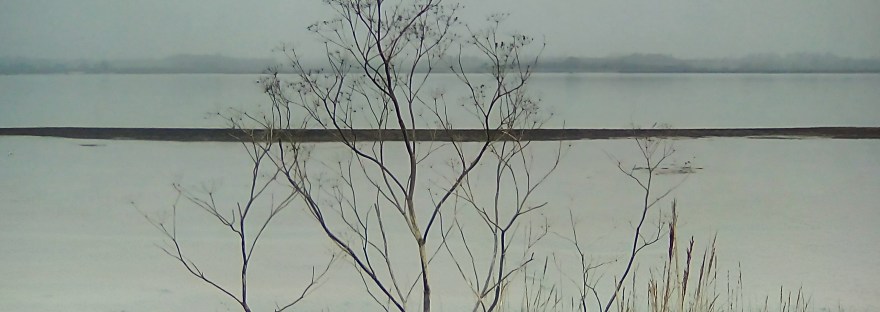
Fennel (Foeniculum vulgare)
A few weeks ago whilst in Brancaster I was tending a client’s herb garden to earn a bit of extra cash for my holidays. To my irritation the bronze fennel had really gone wild self seeding all over the herb garden.
Most herbs are quite promiscuous because their essential oils deter Peter Rabbit types from nibbling on them but in this case the fennel plants had obviously had a good deal more no strings fun than was good for the gardener’s blood pressure.
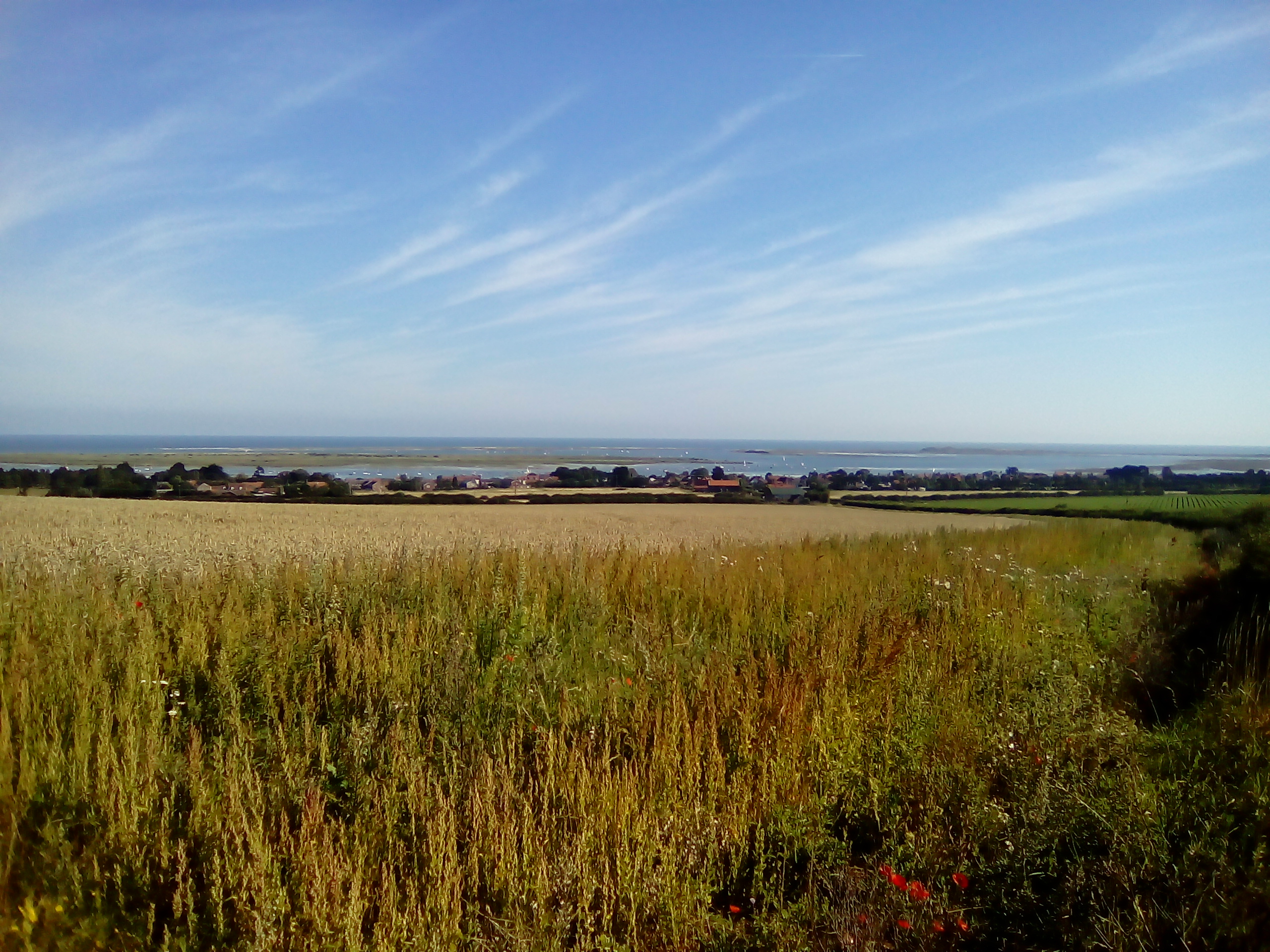
This is not really surprising as its native habitat is the windswept coasts of the Med. Obviously the North Norfolk coast has a similar climate so it has naturalized there. Anyway, it was a bittersweet experience weeding out the unwanted fennel plants because I got a whiff of hot aniseed which transported me to those carefree bike rides in the summer holidays when I free-wheeled past the self seeded fennel just beyond Gipsy green on the Old Hunstanton- Ringstead road. Halcyon days!
Conveniently enough for a plant that grows by the sea it is exceptionally delicious with fish hence Elizabeth David’s recipe for Rougets au fenouil where red mullet is barbequed on dried fennel sticks although in the North Sea you would probably use grey mullet or sea bass as a very able substitute….
Apricots
My godfather, Oliver has a very sheltered courtyard in his pied-a-terre near Leicester square in London. As a a result he grows many different types of exotic fruit such as nectarines, peaches, apricots, oranges and lemons as well as a very floriferous Brugmansia accompanied by several busy resident blackbirds.
He even makes small pots of marmalade out of the fruit to give to friends. An extremely eccentric and amusing present but nevertheless deliciously English.
Anyway, Oliver had an apricot that he wasn’t happy with as it probably wasn’t fruiting so he gave it to my mum to grow in Clapham. And lo and behold in its first season it produced a bumper crop of apricots. We couldn’t come up with a satisfactory reason as to why it had been such a successful year especially as it has largely sulked since then.
Perhaps the move had shocked it into fruiting and when combined with a warm,dry spring a glut was the result. Unfortunately, despite the triumph of a large crop of apricots in the first year it will come as no surprise to you to say that the Clapham apricot is very inferior to its Mediterranean cousins in terms of taste. Quelle dommage!

 A gardener out of this world