
The Web of Childhood
As Graham Greene said “Childhood is the credit book of the adult writer” and this is true in so many of the great British writers. In the case of the Bronte sisters after the tragic deaths of their older sisters, Maria and Elizabeth at the ages of 11 and 10 from TB, respectively, the family retreated as a unit to the relative safety of the Haworth parsonage and developed a sort of scribblemania, as Branwell their brother described it based on their wild imaginations’ interpretation of the untamed moors behind them. They called it The Web of Childhood and it inspired not just their books such as Emily’s much praised Wuthering Heights but also the imaginary world created by Anne and Emily called Gondor.
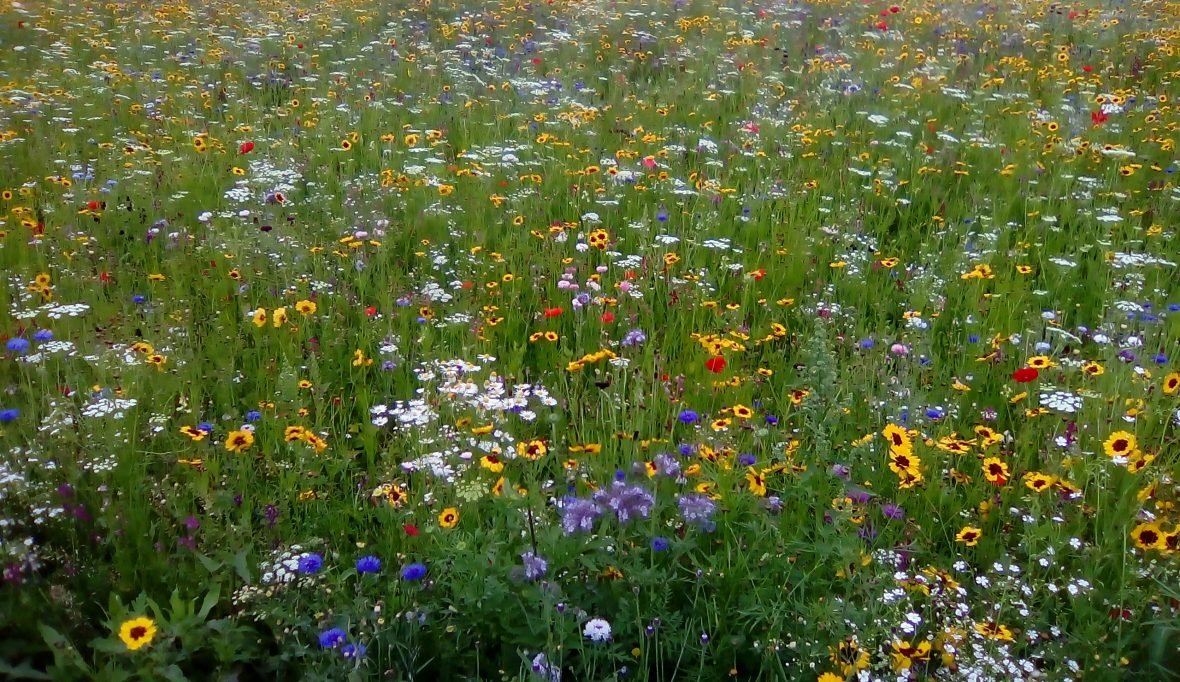
Similarly, Laurie Lee begins his epically famous semi-autobiographical novel about his childhood in Slad in Rural Gloucestershire called Cider with Rosi by describing his terror of being set down in the long grass outside their new home when he was about three…….
I was set down from the carrier’s cart…..the June grass amongst which I stood, was taller than I was, and I wept. I had never been so close to grass before. It towered above and around me…..thick as forest and alive with grasshoppers that chirped and chattered and lept through the air like monkeys…
The story is lyrical and poetic and perhaps a little exaggerated but nevertheless captures childish innocence and wonder as well as a love for the landscape he was spawned by. It is illustrated by Lees request to be returned to the hills he loved so dearly when his adventures across the globe were long finished and he met his maker.
Tolkein also based some of the scenes of his books, The Hobbit and The Lord of the Rings on areas found in suburban Birmingham where he spent some of his childhood . For example, Moseley Bog where he played as a child does capture some of the essence of the old forest with its tree Ent guardians as described in the semi-mythical Celtic spirit of The Lord of the Rings. Nevertheless, it does need a lot of lubrication now, and probably 100 years ago too, to coax the child-like wonder of quite modest wild places into the legendary landscapes of these wildly imaginative books.
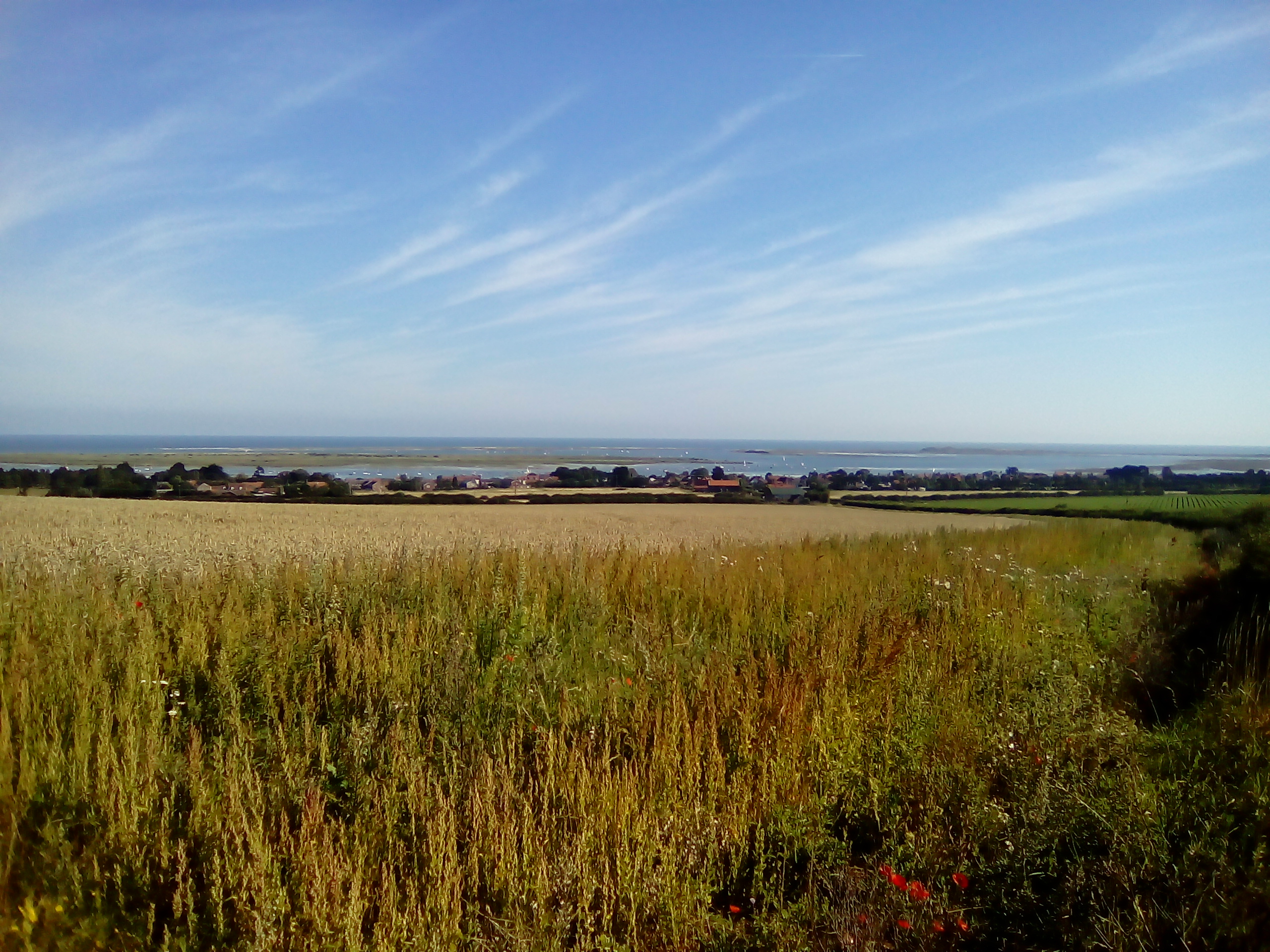
Certainly who I am and what I love was formed by the eternal summers of childhood on the North Norfolk coast and now with rewilding I was pleasantly surprised, having returned in mid-March 2025 that the place still has the rural charm I remember with huge herds of deer, pheasants and hares squaring up to each other. I even got a glimpse of my favourite bird the silver wraith of the Norfolk marshes, the Barn owl.
The Fens
I’ve been driving through the Fens all my life. Its rich, black soil and long straight dykes were always part of the journey to Norfolk, often conducted at a snail’s pace behind a tractor.
I had always wanted to write something about how they came about but never really was sufficiently well informed to offer anything new. To change this I took myself off to Peterborough in June 2025 and rather overoptimistically booked myself in for 6 nights. The white nights in Peterborough are obviously not what they once were and in the final death knell to the run down town centre I would suggest they ran to be Capital of Culture in 2030…
There are 2 places near Peterborough that give a snapshot of the development of the Fens. Helpston, in the direction of Stamford, is the birthplace of John Clare who witnessed first hand the enclosure of the land and loss of biodiversity as flowers were replaced with crops. His moving poetry describing this has become more well known now as industrialized agriculture dominates Britain in 2025, particularly the fertile fens like the industrialized agriculture of the Netherlands.
Thorney describes the social aspect better. Under the stewardship of the Dutch Engineer Cornelius Vermuyden, a gang of labourers were hired to tame the marshes of Thorney into agricultural land. There were Scottish and Irish navvies too but a large proportion were Huguenots who were escaping religious persecution in Northern Europe. They had settled previously at another fen in Yorkshire at Sandtoft for a similar project but abandoned it due to the resentment of locals.
In the Fens in places such as Thorney the local population lived off the land, eating fish and fowl from the waterways and also using plants such as the reeds for thatch. What was proposed represented a very real threat to their way of life. In fact, it meant in retrospect that they would no longer be self sufficient in food forcing them entirely into the cash economy, something land owners always rub their hands with glee at.
Even though Cornelius Vermuyden was bankrupted by the scheme it was eventually enacted by the hard work of the Huguenots into highly productive land. But the main beneficiary was the Earl of Bedford, the owner of the land, as the soil was now some of the most fertile in Europe and the nearby population, faced with starvation were forced to work the land in return for currency to pay for their bread. Many fell into opium addiction; such was the desperation of the situation, whose control was unrestricted at that time.
The Riches of Terroir
It has been in the news recently, as of October 2025, that concentrated orange juice has significantly increased in value- increasing the price on supermarket shelves in the region of 50% and upwards. Strangely, despite places like Southern Spain and Portugal being ideal for orange production they actually produce little orange juice and so it has emerged that certain Brazilian corporations have a stranglehold on the production of orange juice for brands such as Tropicana.
Ofcourse, this is partly to do with other factors such as pest and disease outbreaks in places such as Florida, another key supplier of orange juice, and the inclement weather in other parts of the world where oranges are grown for juice.
The way the world is now too much agriculture is conducted in the third world, mainly due to labour costs. This is despite the fact that many places and cities have been shaped and/or become increasingly wealthy on the back of a horticultural product. But it is important to remember that the skills needed to grow and produce food are no less important now as long as we still need to eat.
The wealth created by the stranglehold the Banda islands (in East Indonesia) had on Nutmeg production from Elizabethan times persisted well into the early 20th century. Indeed, Dutch Burghers were able to live out lives of aristocratic idleness on the dwindling fortunes in their crumbling colonial mansions until that time on the sale of a spice. So valuable were the Banda islands at one time that the British were able to swap it for Manhattan island with the Dutch.
This craze for nutmeg was fuelled by the belief in Britain and other parts of Europe that nutmeg could cure many ailments such as plague. This kickstarted the race to The East Indies and those salty seadogs that made it back such as Nathaniel Nutmeg, became immensely wealthy. Eventually demand declined and the British uprooted various nutmeg trees with their soil and successfully began to cultivate these trees for commercial production in other places like Singapore.
But for a while the remoteness of the Banda islands, combined with a climate and soil perfect for Nutmeg production, since they essentially grew wild all over the island created a perfect storm for the creation of spice millionaires.
Los Angeles is a less glamorous story, when you compare it to the development of Hollywood there. But certainly the perfect climate of Southern California, and particularly Los Angeles for growing oranges, with effective research and development into new, more exciting and better cultivars and the ability to store water from the nearby San Gabriel mountains created a perfect storm for that horticultural industry.
Tied in with an availability of cheap labour this meant that orange production did kickstart the development of the city of Los Angeles until other services and industries took over. Most of all the initial wealth of orange production resulted in the construction of many attractive mansions in various places in California, including Los Angeles, which in tandem with the good weather made it an attractive place for well to do people to move to.
Closer to home, C.J Schuler also makes a convincing argument for the role that the Great North Wood( as opposed to the Weald or Great South Wood in Kent and Sussex), which did at one time stretch from Deptford to Croydon, had in the development of London. This was through the use of its timber for ship building, the provision of charcoal for our blacksmiths to make weapons from and the wood to bake bread to feed our soldiers and families.
This is ofcourse a obvious point that wealth was originally tied to the landscape that spawned it. But unfortunately so much of wealth creation now is done by people in suits via financial services and technology that we forget the very important role nature had in our development and still does lest we forget and nature flicks us into the ocean…….
 A gardener out of this world